
How to Get Raccoons and Baby Raccoons Out of Your Attic Using ACP Raccoon Eviction Fluid
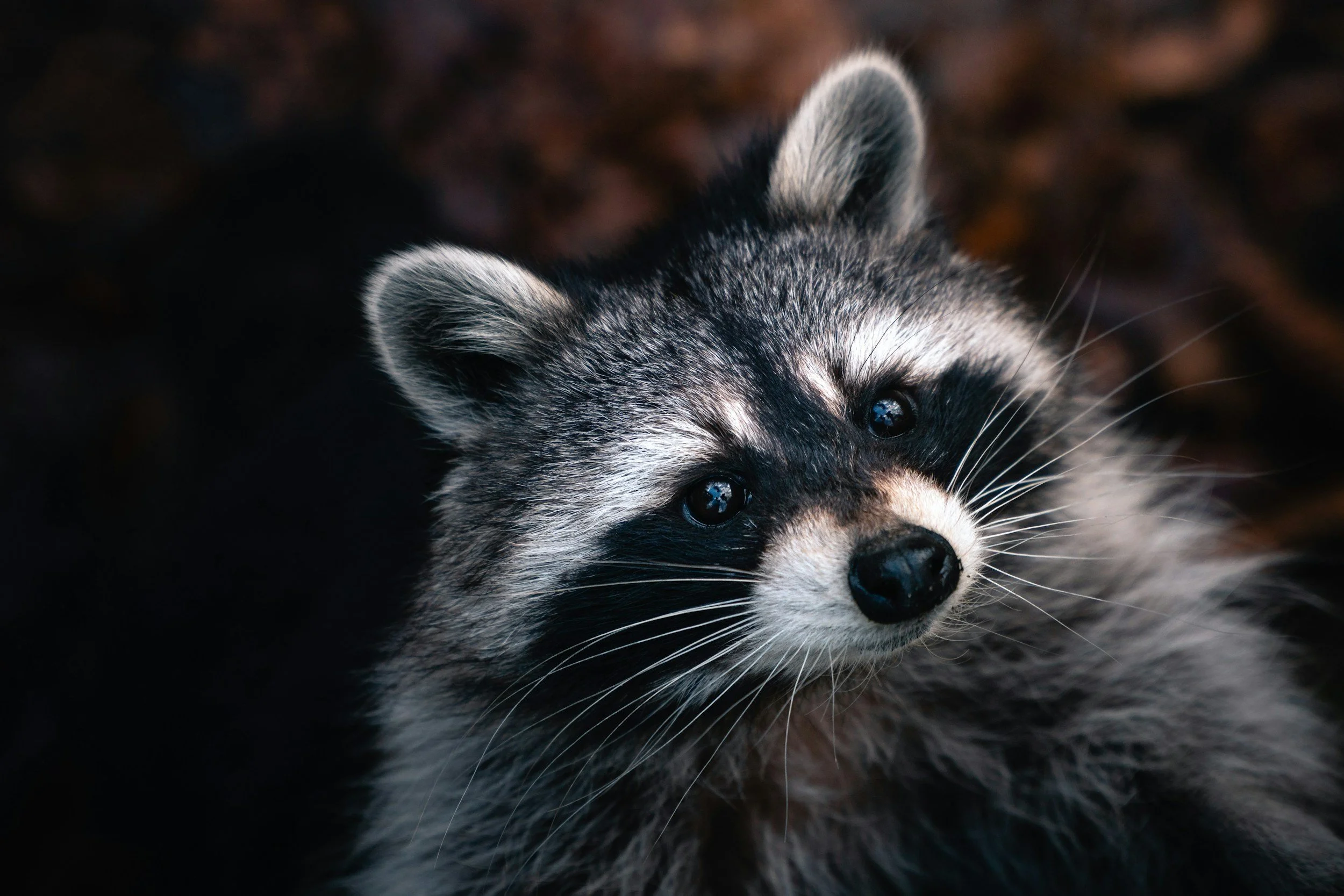
If you’re hearing scratching, thumping, or high-pitched crying in your attic, you may have a mother raccoon and her babies nesting in your home. Raccoons frequently invade attics during baby season, and removing them requires a humane, strategic approach.
One of the safest and most effective solutions is raccoon eviction fluid.
In this guide, we’ll explain how eviction fluid works, why trapping can cause bigger problems, and how to safely get raccoons out of your attic for good.
Why Do Raccoons Get Into Attics?
Raccoons look for warm, protected spaces to raise their young — and your attic is the perfect den site.
Common reasons raccoons enter homes:
Gaps in soffits or roof vents
Damaged shingles or loose fascia boards
Uncovered gable vents
Weak construction points along the roofline
Mother raccoons typically give birth in early spring. Once inside, they will stay until the babies are old enough to relocate.
Signs of Raccoons in Your Attic
If you notice any of the following, you may have a raccoon infestation:
Loud thumping at night
Scratching or walking sounds
Baby raccoon chirping or crying
Visible roof damage
Strong ammonia-like odors
If you suspect baby raccoons are present, immediate but careful action is important.
Why Trapping Raccoons Can Make Things Worse
Many homeowners search for “how to trap a raccoon in my attic.” However, trapping a mother raccoon during baby season can create serious problems:
Babies left behind will die in the attic
The mother may tear apart your roof trying to return
Decomposition odors can contaminate insulation
Wildlife relocation laws may prohibit certain trapping methods
Instead of trapping, wildlife professionals recommend humane raccoon eviction.
What Is Raccoon Eviction Fluid?
Raccoon eviction fluid is our professional wildlife control product made from the scent & urine of predators of raccoons.
When placed near a raccoon den, the scent signals danger to the mother raccoon. Predators, including male raccoons, are known to harm kits, so the mother instinctively relocates her babies to protect them.
Key benefits of raccoon eviction fluid:
Humane and non-lethal
Encourages natural relocation
Reduces attic damage
Safe when used properly
How to Use Raccoon Eviction Fluid to Remove Raccoons from an Attic
Step 1: Confirm Babies Are Present
Eviction fluid is specifically designed for situations involving baby raccoons. If there are no babies, a one-way exclusion door may be more appropriate.
Step 2: Identify the Entry Point
Inspect the exterior of your home for:
Torn soffits
Damaged vents
Roof gaps
Chewed fascia
Step 3: Apply the Eviction Fluid
Squirt a small amount of eviction fluid on a tennis ball, old rag, or old socks and toss it in the den area, getting as close to the raccoons as possible without getting too close.
Step 4: Add Light and Sound Disturbance
Bright lights and a bluetooth speaker can make the attic less comfortable, encouraging faster relocation.
Step 5: Monitor for 24–72 Hours
The mother raccoon will usually move her babies one at a time to a secondary den site.
Step 6: Seal the Entry Hole
Only after confirming all raccoons have left should you permanently seal the entry point using:
Galvanized steel mesh
Heavy-duty hardware cloth
Professional-grade exclusion materials
Never seal the hole too early — this can trap animals inside.
After Raccoon Removal: Attic Cleanup and Damage Repair
Raccoons can leave behind:
Urine and feces contamination
Parasites
Compressed or destroyed insulation
Chewed wires (fire hazard)
Post-removal attic restoration may include insulation replacement and sanitization to restore your home’s safety.
Key Takeaways
Using Animal Control Products’ Raccoon Remover Eviction Fluid is one of the most effective and humane methods for removing mother raccoons and their babies — protecting both your home and the animals. This method is for attics specifically, but the same guidelines would apply if you need to get a raccoon out of your basement, outbuildings or under your porch.